6.000
%
Uncertain
46
mm boe
32
%
Croatia has lagged the rest of Europe in O&G investment, although reforms to its hydrocarbon code are attracting some interest. Ministerial indifference, which once appeared to be fading, shows signs of returning, and the Krk LNG terminal is now the main growth story. Outlook maintained because government commitment to upstream investment remains unclear. Outlook: Uncertain. Risk premia unchanged at 6%.
October 7, 2026
Europe - East
mm bbl
bcf
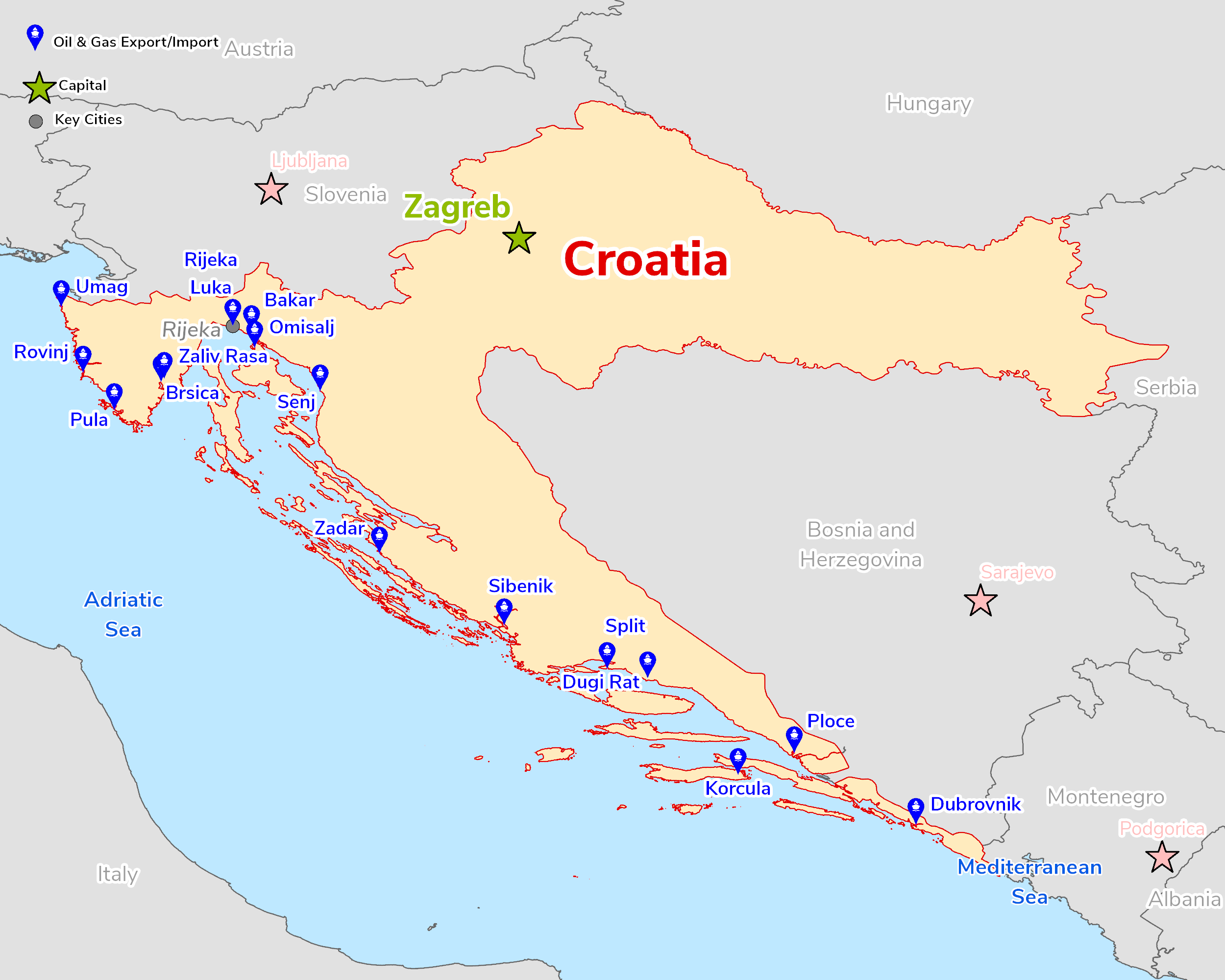
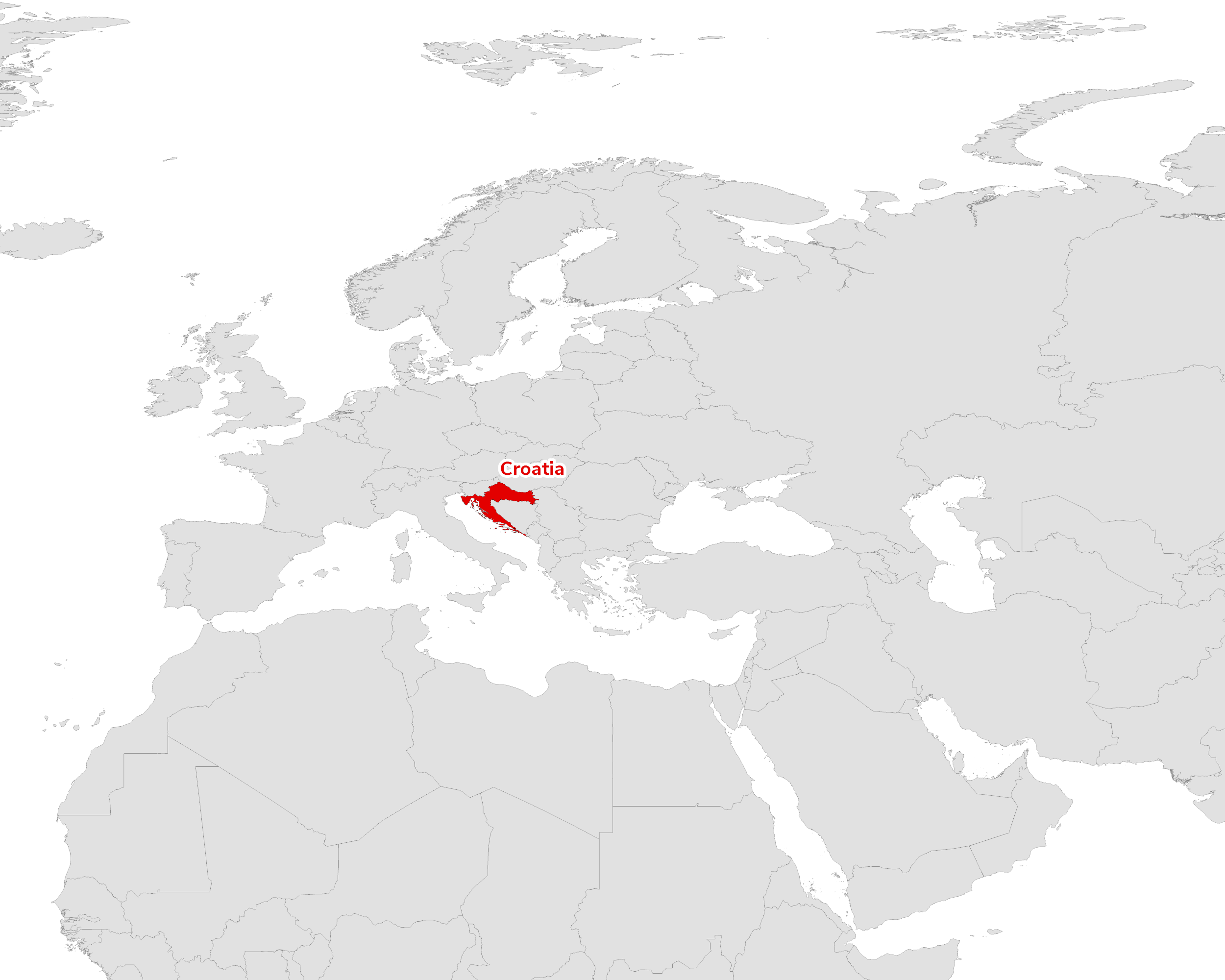
South eastern Europe, bordering the Adriatic Sea, between Bosnia and Herzegovina and Slovenia.
Multiple (PSC/Concession)
The fiscal system is based on PSCs (offshore) and concessions (onshore). Croatia has a model PSC for both onshore and offshore blocks, prepared in time for the first international bidding round launched in 2014. Some provisions addressing the specifics of petroleum operations are still evolving.
Croatia is a stable EU member that joined the euro and Schengen in 2023; Prime Minister Andrej Plenković's HDZ-led coalition was re-elected in 2024. US and UK guidance cite EU-standard regulation, but note bureaucracy, slow courts and corruption cases. The expanded Krk LNG terminal and the JANAF oil pipeline make Croatia a regional energy hub for Central Europe. Domestic production by INA (MOL-controlled) is mature and declining.
Source: ESRI, Heritage Index, HMG Foreign & Commonwealth Office, US Department of State, International Trade Administration, International Law Review, Ernst & Young, Wood Makenzie & OGA data.

© 2024 Oil & Gas Advisors Limited
Website by Rugby Web Design