BB+
54
Positive
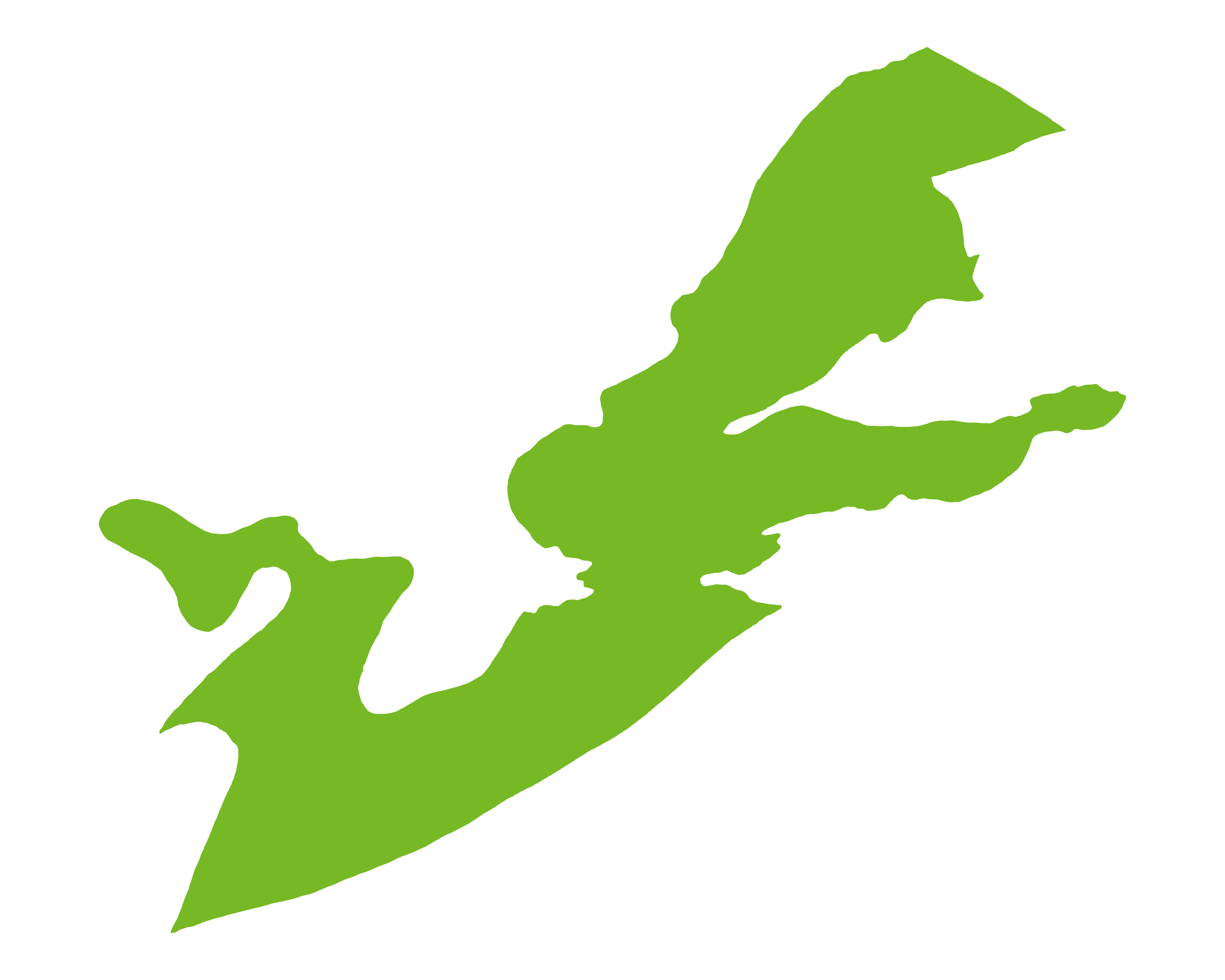
The ATB remains underexplored, but renewed onshore and offshore exploration has revived interest, supported by a stable fiscal regime and recent gas discoveries at Tendrara and Anchois. Offshore geology is challenging, but drilling to date has advanced understanding of the basin. Outlook: Positive.
October 12, 2026
Africa - North
Onshore & Offshore
-
The ATB developed on the Central Atlantic passive margin. The Precambrian and Palaeozoic (Hercynian) basement is broken into horsts and grabens. Rifting began in the Triassic, and NE-trending half-grabens were filled by a syn-rift sequence of red continental clastics (conglomerates, sandstones and clays) capped by Late Triassic to earliest Jurassic (Hettangian) evaporites, including halite that later formed salt diapirs and swells offshore. The post-rift megasequence begins with Lias-Dogger beds, which coincide with the opening of the Atlantic seaway and the progressive establishment of a more marine environment with carbonate sedimentation; Jurassic carbonate shelf and reef units, Lower Cretaceous Tan Tan delta sands and Cenomanian–Turonian organic-rich marls (the onshore Tarfaya oil shales) complete the main petroleum-system elements.
Recently, the basin has seen growth in exploration activity. Fiscal terms are favourable, the area is underexplored, and there is a proven, working hydrocarbon system. The national oil & gas regulator has taken specific steps to attract smaller to medium sized companies, which has been reflected in the wide range of new plays and developments in the ATB.
Source: ESRI, BGS, USGS & OGA data

© 2024 Oil & Gas Advisors Limited
Website by Rugby Web Design