3.500
%
Neutral
19
mm boe
51
%
Austrian energy legislation is comprehensive, with one central act regulating the sector, and activity is well regulated and transparent. OMV's Wittau discovery offers modest upside, but the end of Russian gas transit and EU climate legislation weigh on the outlook. Outlook maintained because a transparent regime is balanced by limited prospectivity and EU policy headwinds. Outlook: Neutral. Risk premia unchanged at 3.5%.
October 7, 2026
Europe - Central
mm bbl
bcf
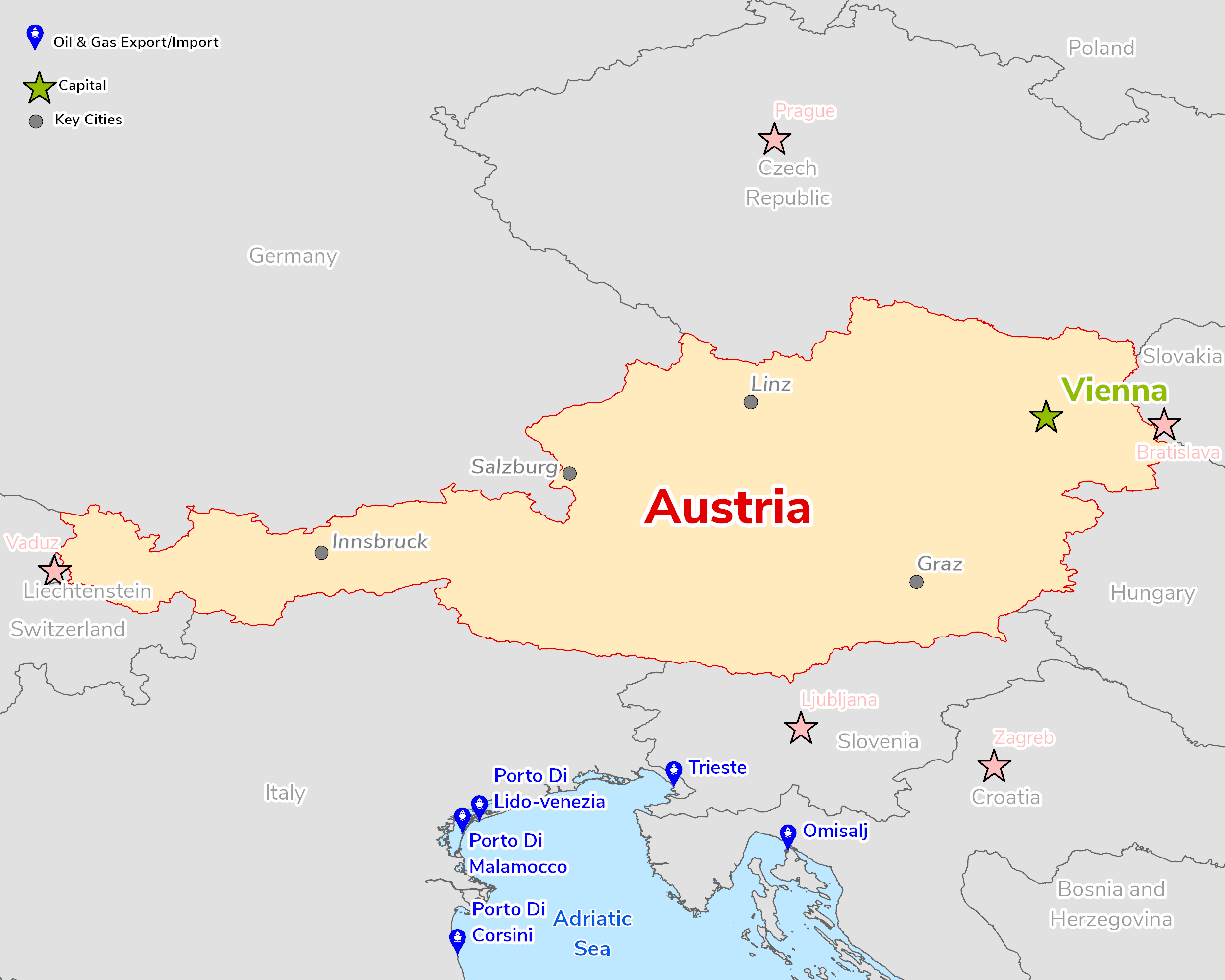
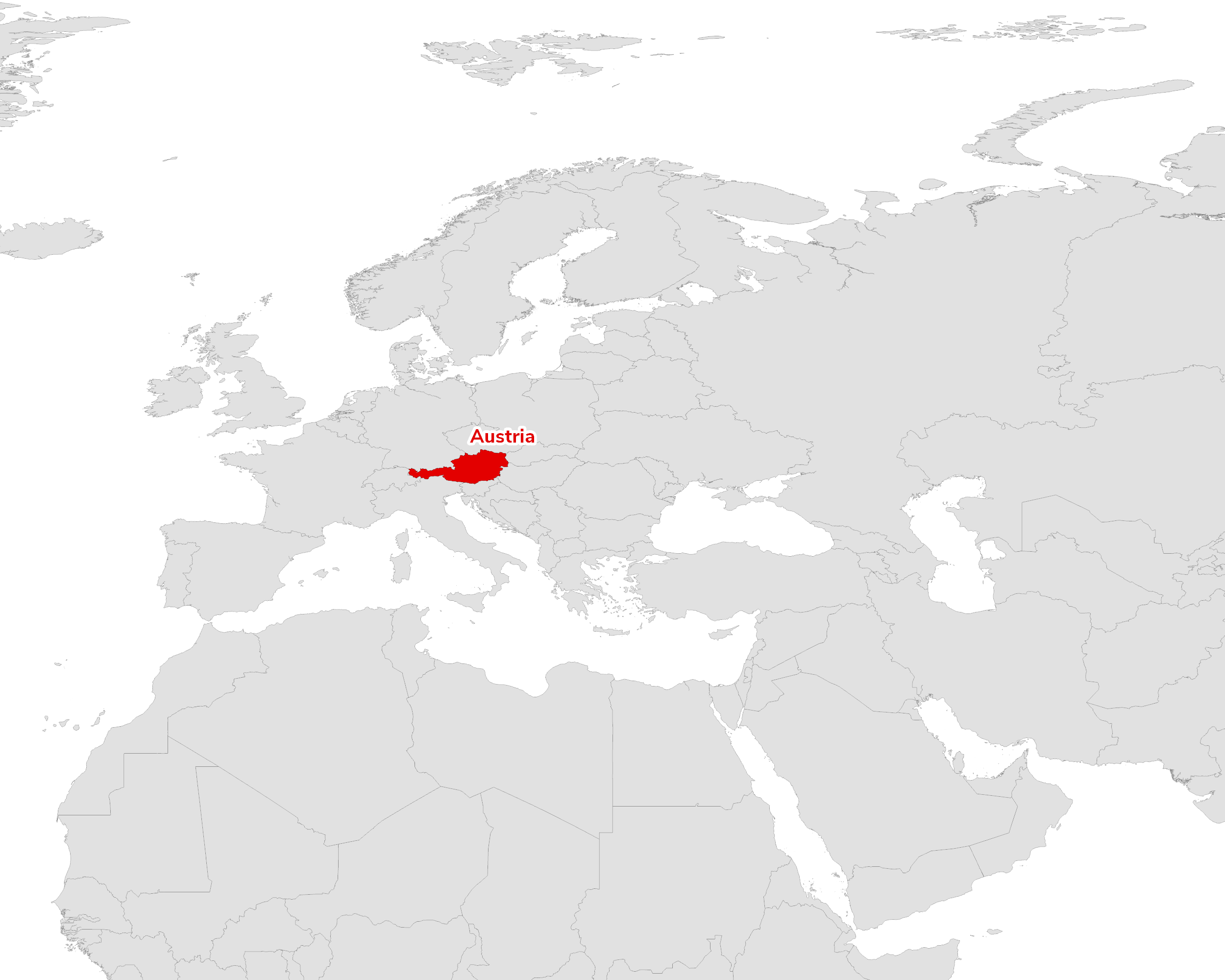
Central Europe, north of Italy and Slovenia.
Concession
The tax liability for mineral oils in general arises if the taxable product is released into free circulation (i.e., by the removal from a tax warehouse). Special provisions apply to motor and heating fuels. Limited liability companies and stock companies are considered corporations within the meaning of the 1988 Corporate Income Tax Act, and subject to corporate income tax. Corporations are subject to unlimited corporate income tax if they have their seat or place of management within Austria.
Austria is a stable, high-income EU member. A centrist ÖVP–SPÖ–NEOS coalition under Chancellor Christian Stocker took office in March 2025 after the far-right FPÖ won the 2024 election but failed to form a government. US and UK guidance describe a transparent, open investment climate with FDI screening for critical sectors, high labour costs and a complex bureaucracy. In energy, the country has ended its long dependence on Russian gas: OMV terminated its Gazprom contract in December 2024 and Ukrainian transit ceased in January 2025. Domestic production is modest, although OMV's 2023 Wittau discovery is the largest onshore find in decades.
Source: ESRI, Heritage Index, HMG Foreign & Commonwealth Office, US Department of State, International Trade Administration, International Law Review, Ernst & Young, Wood Makenzie & OGA data.

© 2024 Oil & Gas Advisors Limited
Website by Rugby Web Design


