CCC±
93
Neutral
The NNRB has geological potential, with most exploration focused offshore Jamaica. Seabed geochemistry collected in 2026 has strengthened the case for the Walton-Morant Licence, but the sole licence holder United Oil & Gas has reported a material uncertainty over its ability to continue as a going concern; it relies on a farm-out to fund an initial well. The country risk premium has risen to 2.5%, reflecting the frontier setting and absence of a discovery, albeit offset by a supporting government. Elsewhere in the basin (southwest), Nicaragua's authoritarian rule, expropriation risk and US sanctions continue to constrain any prospectivity in the Nicaraguan sector. Outlook: Neutral.
October 12, 2026
Americas - Central
Caribbean
Offshore
-
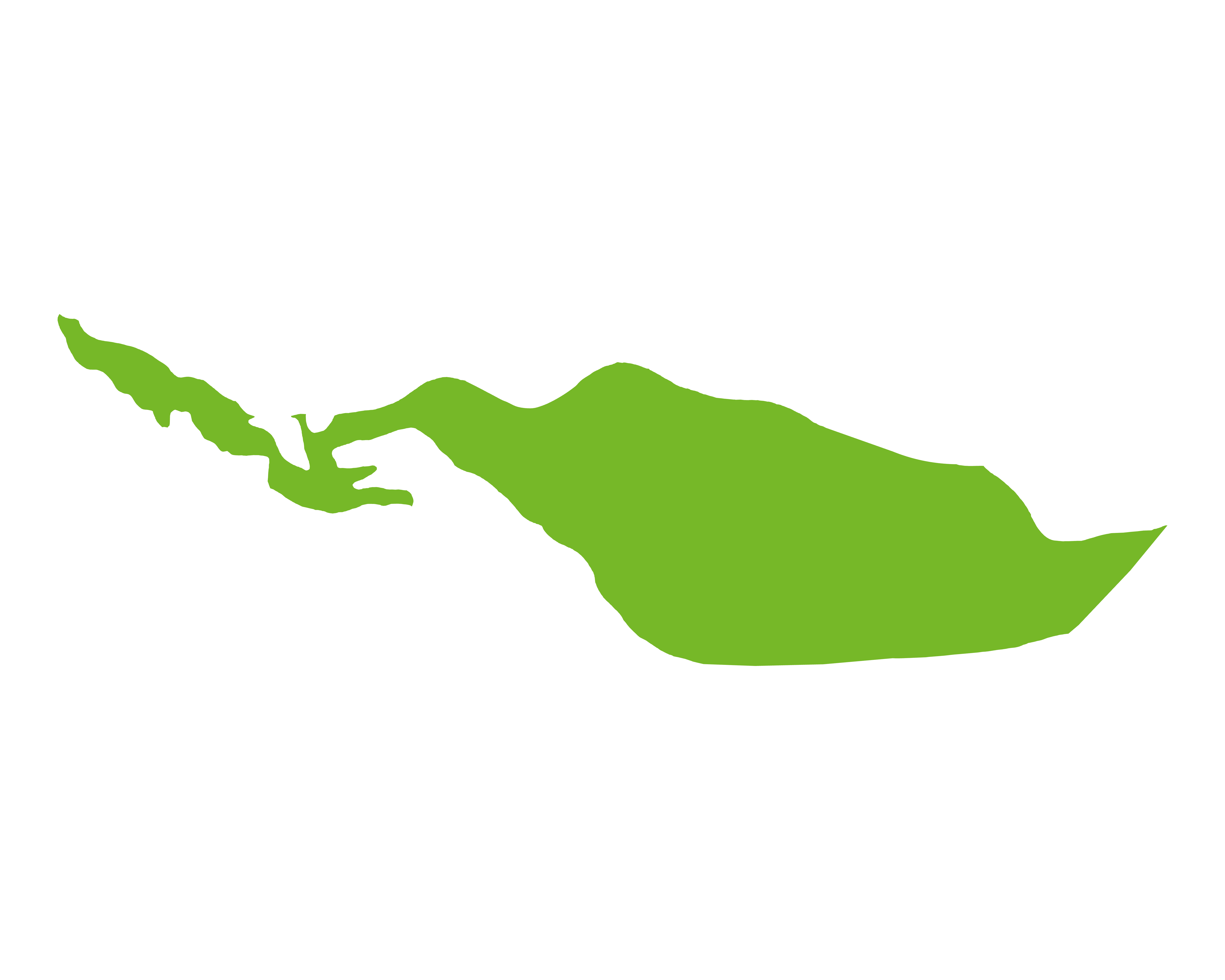
The NNRB is an elongate, linear tectonic feature stretching from the Carribean island of Jamaica to the northeast, as far as Nicaragua and Honduras to the southwest. The NRB is typified by the geology of Jamaica and its immediate offshore, which contains several potential Cretaceous and Tertiary source rocks. A number of wells have intersected the basin, but two (Windsor & Retrieve)have enabled significant advancement in the NNRB's understanding, identifying multiple sources, namely the Cenomanian age Rio Nuevo, Campanian age Sunderland and the Middle Eocene age Litchfield. Geochemical analyses of oil seeps, compared to hydrocarbon shows from the key wells in the Basin confirm the presence of an active petroleum system regionally.
While limited exploration has been undertaken, activity on the Jamaican side, where most basin activity takes place, has advanced. United Oil & Gas holds 100% of the 22,400 km² Walton-Morant Licence, extended to 31 January 2028, and its January–February 2026 seabed geochemical survey recovered C4–C5 hydrocarbons from 42 piston cores, consistent with an active thermogenic petroleum system. A farm-out is under way and a drilling rig and long-lead equipment study was commissioned in September 2026, although no well has yet been committed.
Source: ESRI, BGS, USGS & OGA data

© 2024 Oil & Gas Advisors Limited
Website by Rugby Web Design