DDD-
111
Negative
The Zagros Fold Belt has seen significant exploration success in its accessible Iraqi Kurdistan sector, where exports via Ceyhan resumed in September 2025, but payment disputes and conflict spillover keep risk high. Most of the belt, and most of its production, however, lies in Iran, which remains closed to Western investment under comprehensive US sanctions. Since February 2026 the country has been at war with the US and Israel; a US naval blockade of its ports has been in place since April, the June ceasefire has collapsed and the Strait of Hormuz remains closed pending US concessions. Talk of political change is speculative, so we keep a watching brief. Outlook: Negative.
October 12, 2026
Middle East
Onshore
Oil
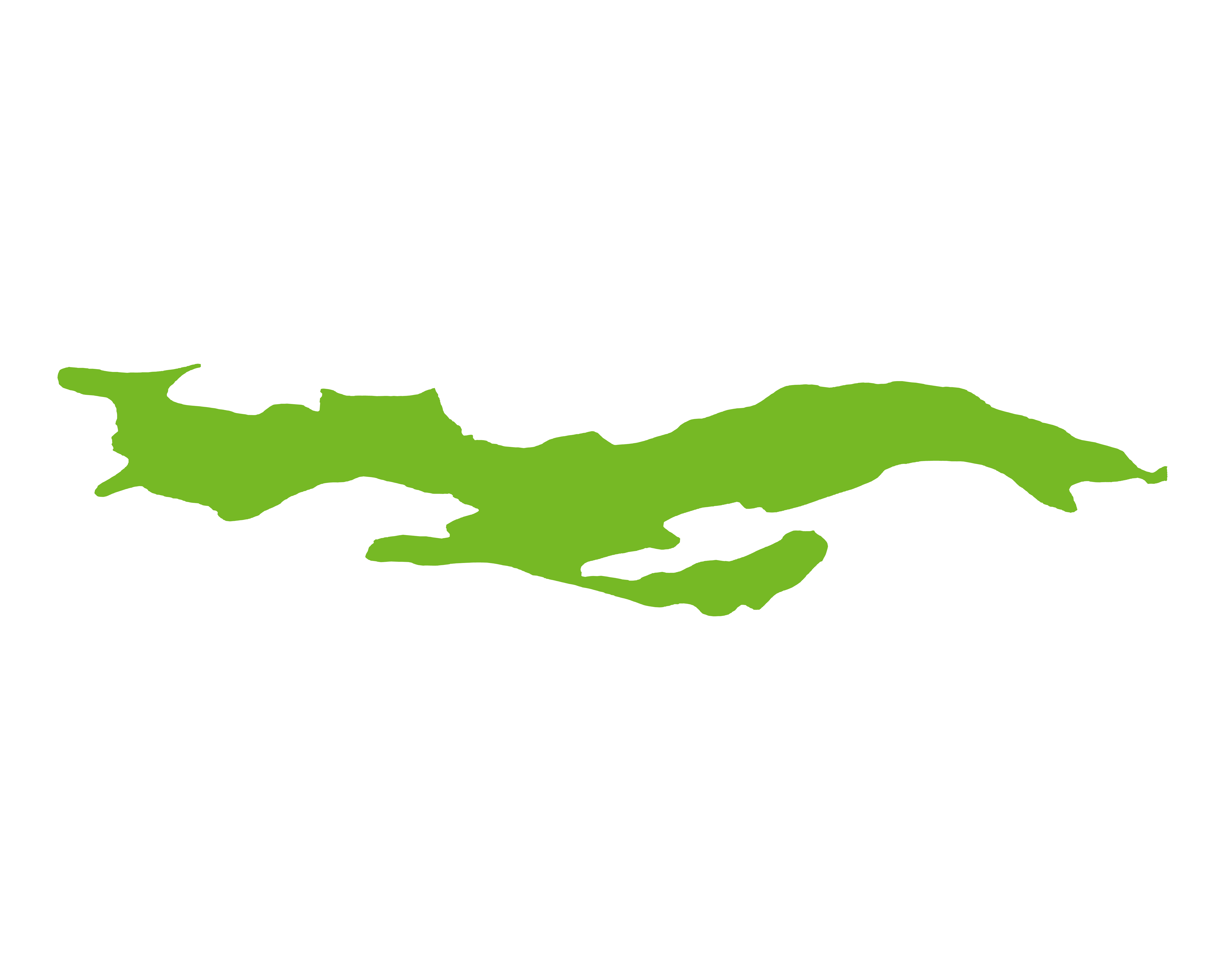
In Considering the ZFBB, you also need to include the Zagros Thrust Zone Belt Basin, which are collectively known as the Zagros Fold Thrust Basin ("ZTFB"). The ZTFB was formed along a section of the plate boundary that is subject to oblique convergence with the Arabian Plate moving northwards with respect to the Eurasian Plate. The degree of obliqueness reduces southwards along the Zagros, with the collision becoming near orthogonal within the Fars domain. The relative movement between the plates is only partly taken up within the Zagros, the remainder is taken up by deformation in the Alborz mountains and the Lesser Caucasus mountains to the north of the Iranian plateau and along the zone formed by the Greater Caucasus mountains, the Apsheron-Balkan Sill and the Kopet Dag mountains further north again.
Since opening to international investment in the mid-2000s, the Iraqi (Kurdistan) sector has enjoyed significant exploration success. Exports through the Iraq–Türkiye pipeline, halted in March 2023 after an arbitration ruling, resumed in September 2025 under an interim Baghdad–Erbil agreement. Contract terms, payment arrears and regional security remain key risks.
Source: ESRI, BGS, USGS & OGA data

© 2024 Oil & Gas Advisors Limited
Website by Rugby Web Design