7.500
%
Uncertain
118
mm boe
86
%
Kurdistan has been the main area of investment growth, and the resumption of exports via Ceyhan in September 2025 is a positive step. Federal Iraq continues to underperform despite TotalEnergies' GGIP project, and the post-election government formation and the risk of conflict with Iran justify our 6% risk premia. Outlook maintained because progress in Kurdistan is offset by federal and regional risks. Outlook: Uncertain. Risk premia raised from 6.5% to 7.5%.
October 8, 2026
Middle East
mm bbl
bcf
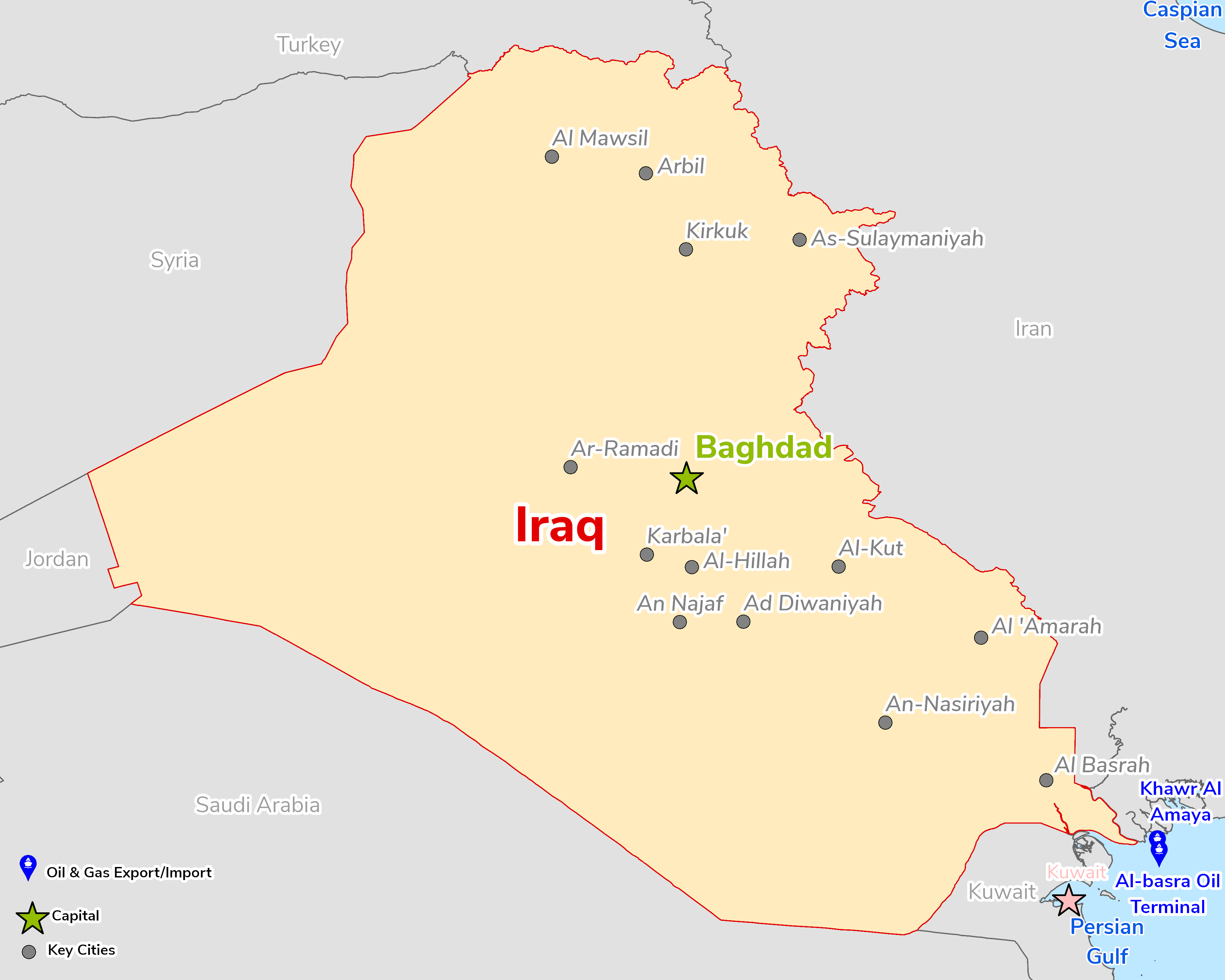
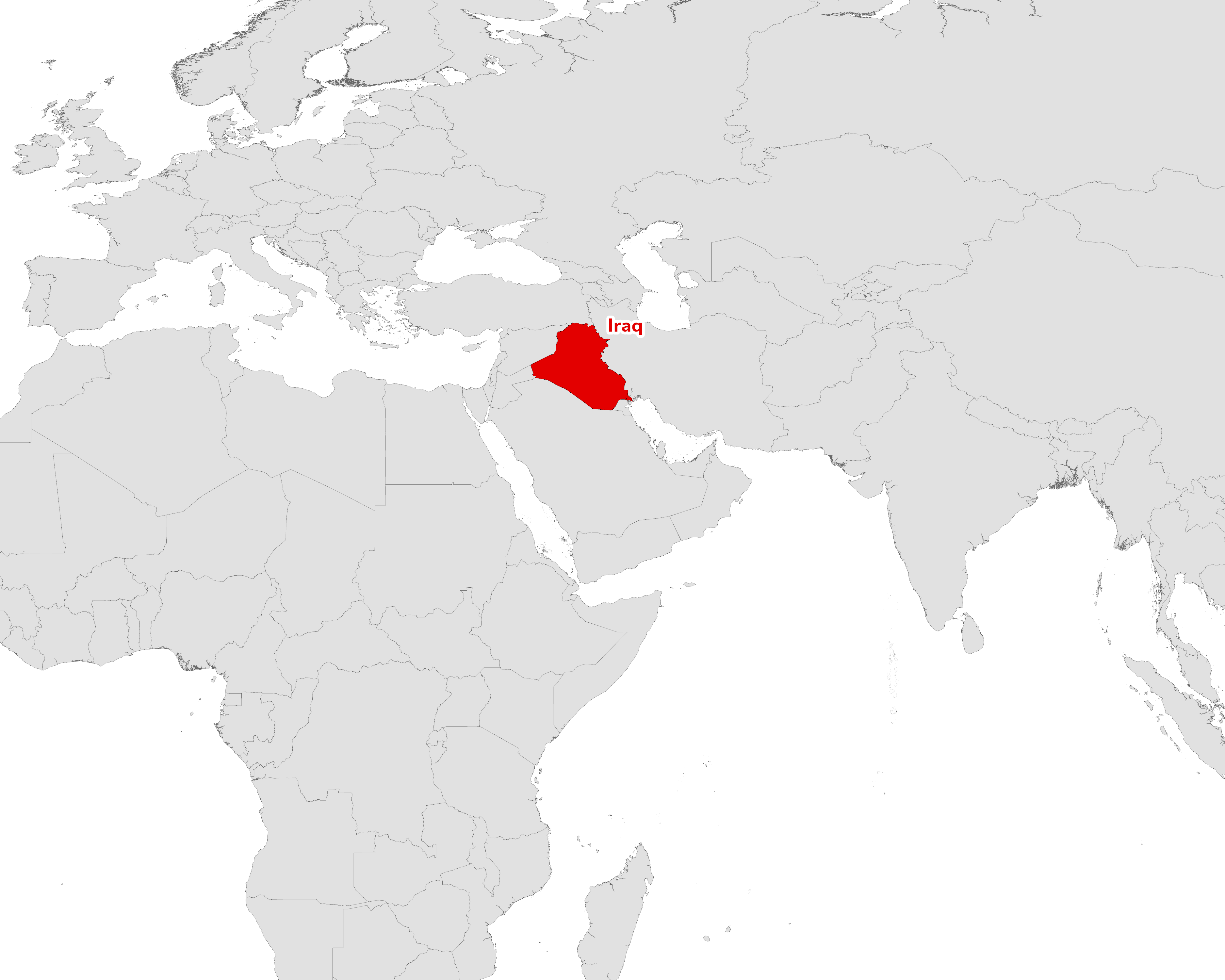
Middle East, bordering the Persian Gulf, between Iran and Kuwait.
Multiple (PSC/Concession)
Two systems. Federal Iraq historically used Technical Service Contracts, paying IOCs cost recovery plus a fixed per-barrel fee, but since the 2018 Fifth Round has moved to profit-sharing Exploration, Development and Production Contracts (EDPCs), under which the contractor receives a biddable share of net revenue after a 25% royalty and cost recovery; these terms were used for the 2024 LR5+/LR6 awards. SOMO retains all crude marketing. The Kurdistan Region awards PSCs under its 2007 Oil and Gas Law, which the Federal Supreme Court ruled unconstitutional in 2022, leaving their status subject to negotiation with Baghdad.
Prime Minister Mohammed Shia al-Sudani's list won the most seats in the November 2025 election, and stability has improved. However, Iran-aligned militias, US pressure over Iranian energy imports and Baghdad–Erbil disputes persist. US and UK guidance cite corruption, bureaucracy, payment delays and weak contract enforcement. The EIA identifies Iraq as OPEC's second-largest producer. Kurdistan crude exports via Turkey resumed in September 2025, while TotalEnergies' US$27 billion Gas Growth Integrated Project and BP's Kirkuk redevelopment signal a renewed IOC presence.
Source: ESRI, Heritage Index, HMG Foreign & Commonwealth Office, US Department of State, International Trade Administration, International Law Review, Ernst & Young, Wood Makenzie & OGA data.

© 2024 Oil & Gas Advisors Limited
Website by Rugby Web Design


